

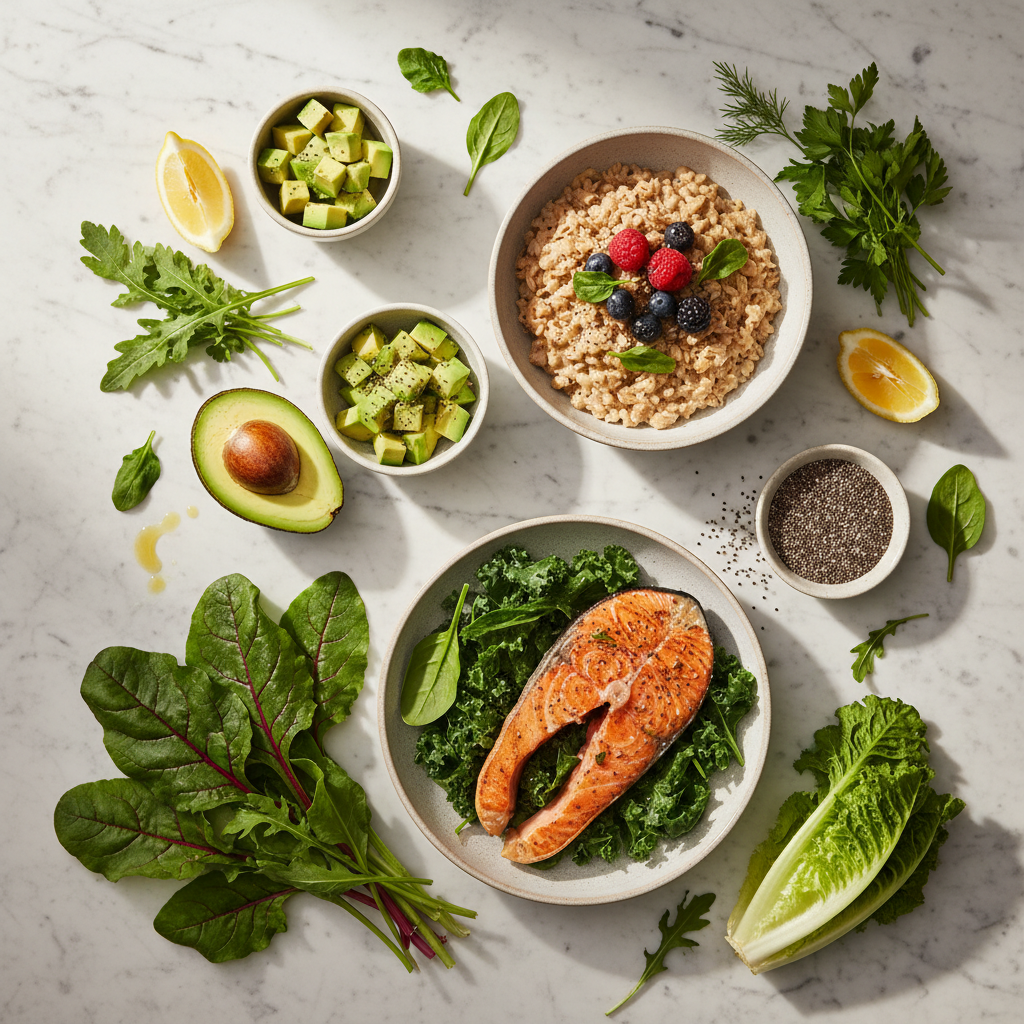
The 7-Day ‘Natural GLP-1’ Diet: Foods That Mimic Weight-Loss Meds
In the United States, the conversation around weight loss has been completely dominated by one acronym lately: GLP-1. Drugs like Ozempic, Wegovy, and Mounjaro have changed the landscape by mimicking a hormone your body naturally produces—Glucagon-like peptide-1.
But here is the billion-dollar question: Can you stimulate this hormone naturally, without the cost, the side effects, or the needles?
The answer is a resounding yes.
While food may not trigger the massive, supra-physiological surge that synthetic drugs do, a strategic diet can significantly boost your body’s endogenous GLP-1 production. This results in the same “food noise” reduction, increased satiety, and blood sugar regulation.
Welcome to your 7-Day “Natural GLP-1” Diet Plan. Let’s decode the science and get you eating for biology.
The Science: How Your Body Makes Its Own ‘Ozempic’
GLP-1 is an incretin hormone secreted by the L-cells in your intestines. Its primary job is to tell your brain, “We are full,” and to tell your stomach to slow down emptying. This keeps you fuller for longer.
When you eat the Standard American Diet (highly processed, low fiber, high sugar), your GLP-1 response is often blunted. You eat, but the signal to stop never quite arrives loud enough.
To turn the volume up on this signal, we need to feed the L-cells exactly what they crave. Research published in journals like *The American Journal of Clinical Nutrition* highlights that specific macronutrients trigger this release more effectively than others.
The Big Three: Nutrients That Trigger GLP-1 Secretion
Before we dive into the meal plan, you need to understand the three pillars of this diet. Every meal in the next seven days is built around these distinct triggers.
1. Fermentable Fibers (The Gut Feeder)
This is the most critical component. When you eat fermentable fibers (like those found in oats, legumes, and onions), your gut bacteria break them down into Short-Chain Fatty Acids (SCFAs), specifically butyrate and acetate.
The connection? SCFAs directly stimulate the L-cells to release GLP-1. If you aren’t eating fiber, you aren’t making GLP-1.
2. High-Quality Protein
Protein is the most satiating macronutrient. The breakdown products of protein digestion (peptides and amino acids) engage receptors in the gut lining that prompt an immediate release of satiety hormones.
3. Healthy Monounsaturated Fats (MUFAs)
Studies suggest that unsaturated fatty acids, like those found in olive oil, avocados, and nuts, are potent stimulators of GLP-1 compared to saturated fats. They provide a sustained release of the hormone, keeping you full hours after a meal.
—
Your 7-Day ‘Natural GLP-1’ Meal Plan
This plan is designed to be high in fermentable fiber, rich in lean protein, and balanced with healthy fats. Drink at least 80-100oz of water daily, as fiber requires water to work effectively.
Day 1: The Reset
Goal: Shock the system with high soluble fiber to wake up the gut microbiome.
* Breakfast:** **Overnight Oats with Chia. Rolled oats, chia seeds (high fiber), unsweetened almond milk, and a scoop of whey or pea protein powder. Top with raspberries.
* Lunch:** **Lentil & Quinoa Salad. Cooked lentils (fermentable fiber powerhouse), quinoa, chopped cucumber, parsley, and a lemon-olive oil dressing.
* Dinner:** **Baked Salmon with Asparagus. Wild-caught salmon (rich in healthy fats) served with roasted asparagus and a side of barley.
* Snack: A small apple with a tablespoon of almond butter.
Day 2: The Satiety Spike
Goal: Focus on protein density to curb evening cravings.
* Breakfast:** **Spinach & Feta Egg White Omelet. Three egg whites, one whole egg, sautéed spinach, and a sprinkle of feta cheese on a slice of Ezekiel bread.
* Lunch:** **Turkey & Hummus Wrap. High-fiber whole wheat tortilla, sliced turkey breast, generous hummus (chickpeas boost GLP-1), and shredded carrots.
* Dinner:** **Chicken Stir-Fry. Lean chicken breast stir-fried with broccoli, snap peas, and bell peppers in a ginger-garlic sauce over brown rice.
* Snack: Greek yogurt with flaxseeds.
Day 3: The Healthy Fat Focus
Goal: Incorporate MUFAs to slow gastric emptying.
* Breakfast:** **Avocado Toast with Poached Egg. Whole grain sourdough topped with half a smashed avocado and a poached egg. Sprinkle with red pepper flakes.
* Lunch:** **Mediterranean Tuna Bowl. Canned light tuna mixed with olive oil, cherry tomatoes, kalamata olives, and chickpeas over mixed greens.
* Dinner:** **Lean Beef & Black Bean Chili. 90% lean ground beef, black beans, kidney beans, diced tomatoes, and onions. The beans provide the fermentable fiber needed for SCFA production.
* Snack: A handful of walnuts (rich in ALA omega-3s).
Day 4: Plant-Powered Hormones
Goal: A high-volume plant-based day to maximize gut volume signals.
* Breakfast:** **Green Smoothie. Spinach, half a frozen banana, avocado, protein powder, and flax milk.
* Lunch:** **Roasted Chickpea Caesar. Kale massaged with olive oil, topped with roasted chickpeas (crouton replacement) and grilled tofu or chicken.
* Dinner:** **Tempeh Tacos. Crumbled tempeh cooked with taco seasoning, served in corn tortillas with cabbage slaw and guacamole.
* Snack: Pear slices (high in pectin).
Day 5: The Fiber Load
Goal: Peak fiber intake. Expect to feel very full.
* Breakfast:** **Barley Breakfast Bowl. Cooked pearl barley (chewy and filling) topped with cinnamon, walnuts, and a splash of milk.
* Lunch:** **Southwest Chicken Salad. Grilled chicken, black beans, corn, salsa, and avocado over romaine lettuce.
* Dinner:** **Shrimp & Pesto Zoodles. Sautéed shrimp tossed with zucchini noodles and regular whole-wheat pasta (50/50 mix) in a basil pesto sauce.
* Snack: Hard-boiled egg.
Day 6: The Metabolic Rev
Goal: Combining complex carbs and proteins for sustained energy.
* Breakfast:** **Cottage Cheese Pancakes. High-protein pancakes made with oats, cottage cheese, and eggs. Top with blueberries.
* Lunch:** **Edamame & Quinoa Power Bowl. Shelled edamame, shredded purple cabbage, carrots, and sesame ginger dressing.
* Dinner:** **White Fish with Brussels Sprouts. Cod or Tilapia baked with lemon, served with roasted Brussels sprouts (high fiber) and sweet potato.
* Snack: Celery sticks with hummus.
Day 7: The Maintenance Model
Goal: A balanced day representing how to eat long-term.
* Breakfast:** **Veggie Scramble. Two eggs scrambled with mushrooms, onions, and peppers. Side of berries.
* Lunch:** **Leftover Chili (from Day 3) served over a baked potato.
* Dinner:** **Sheet Pan Fajitas. Chicken strips, onions, and bell peppers roasted with olive oil and spices. Serve with black beans.
* Snack: Dark chocolate (70%+) square and a few almonds.
—
Beyond Food: The Lifestyle Switch
You cannot eat your way to high GLP-1 levels if your lifestyle is actively suppressing them. Two major factors can sabotage this diet plan:
1. The Sleep Connection
Sleep deprivation is a hormone killer. Lack of sleep increases ghrelin (the hunger hormone) and decreases GLP-1 levels. Aim for 7-9 hours of quality sleep. If you are sleeping 5 hours a night, no amount of fiber will fully correct your hunger signals.
2. Stress Management
Chronic stress elevates cortisol. High cortisol levels can induce insulin resistance and disrupt the signaling pathways of gut hormones. Simple practices like 10 minutes of morning meditation or a post-dinner walk can significantly lower cortisol, allowing your GLP-1 to function correctly.
Is This Sustainable?
Unlike fad diets that rely on restriction, the “Natural GLP-1” approach relies on addition. You are adding fiber, adding protein, and adding healthy fats. This makes it incredibly sustainable.
While this 7-day plan is a kickstart, the principles are meant for a lifetime. By consistently feeding your gut microbiome the fermentable fibers it needs, you create a biological environment that naturally regulates weight—mimicking the effects of medication, but derived entirely from the grocery store aisle.
*Disclaimer: This content is for informational purposes only and does not constitute medical advice. Always consult with a healthcare provider before starting a new diet, especially if you have pre-existing conditions like diabetes or IBS.*